
Protection of Freshwater Resources of Kashmir: Threats and Solutions

Basirhat Gul


“Protecting Kashmir’s freshwater resources is not the responsibility of the government alone; it is a shared duty of every citizen.”

Water is the foundation of life. This statement applies to Kashmir, which is known for its lakes, rivers, natural water sources, and snow-capped mountains. Kashmir has been blessed with abundant freshwater sources since ancient times. Rivers like the Jhelum, Lidder, Sindh, and various other water springs have served agricultural purposes, tourism, fishing, and other economic activities. However, over the past decade, these vital freshwater resources have come under increasing pressure from human activities. In my opinion, the conservation of freshwater resources is of utmost importance as Kashmir largely depends on these water bodies.

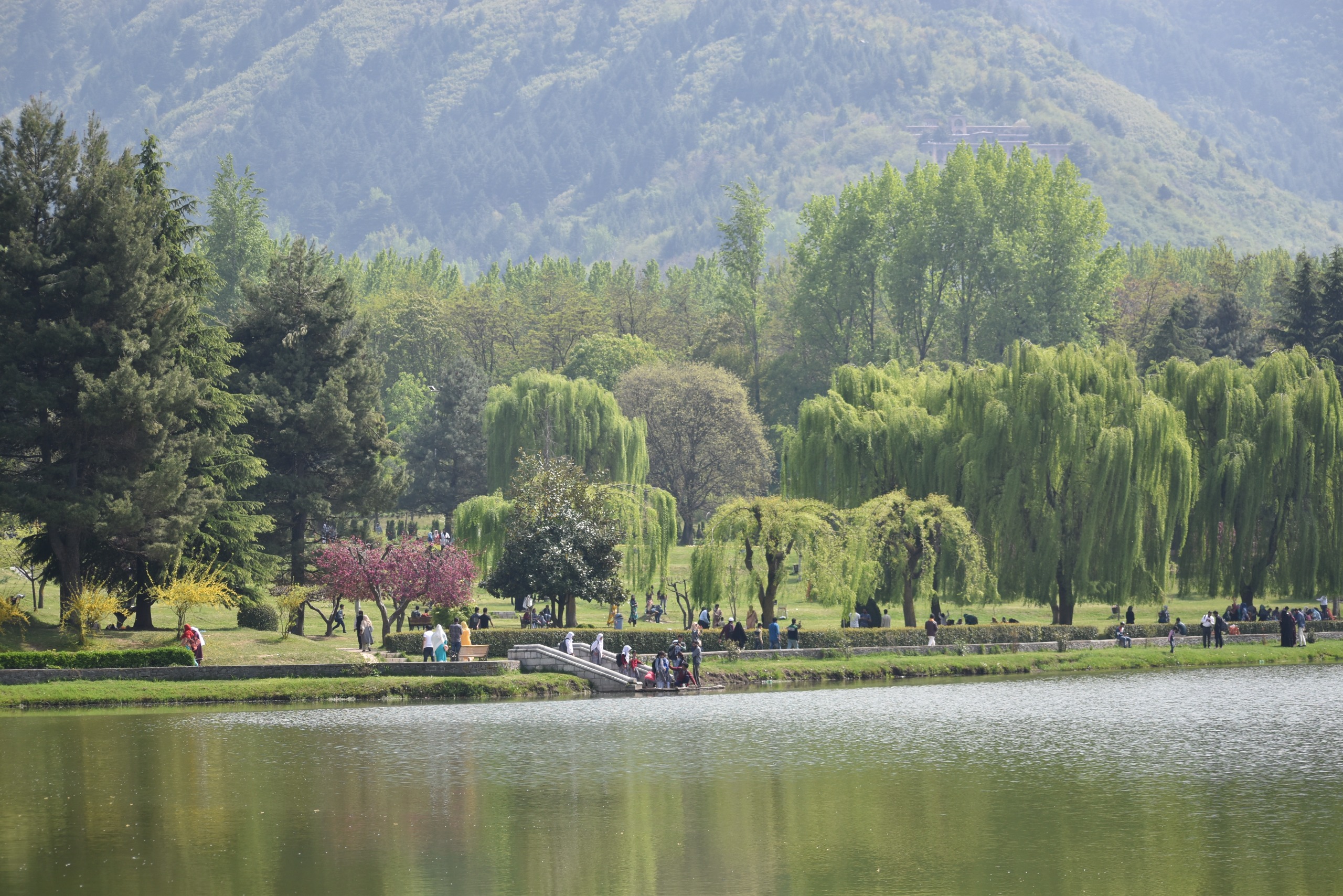
These lakes include Dal, Wular, Manasbal, and many other natural water springs, which play an important role in the ecology and economy of the region. These are also the basis of agriculture, water supply, fishing activities, and employment for thousands of people.

Pollution is one of the main issues that affects water resources in Kashmir. Polluted waste from homes, commercial centers, and markets can be dumped into rivers and lakes. Untreated sewage has been dumped into many lakes and rivers in Kashmir. The pollution that the lake has witnessed over the decades has greatly diminished its natural beauty and ecological value. While visitors come to see the beauty of the lake, very few know about the environmental stress that it suffers.

The other significant issue that causes environmental harm to the Kashmiri water resources is encroachment. Rapid urbanization has placed additional stress on lakes, wetlands, and riverbanks. As the area gets more developed, the space for natural water conservation reduces. Wetlands are important since they help control floods and purify water. Environmental degradation and the disappearance of wetlands have made the region vulnerable to flood risks. This was clearly demonstrated during the devastating floods of 2014 in Kashmir.

Global warming has emerged as another danger facing the valley. The Kashmiri glaciers and snowy mountains act as natural dams, providing water to rivers. However, rising global temperatures have accelerated glacier melting and altered snowfall in some parts of the valley. As a result, uncertainty regarding future water availability has increased. In some seasons, too much melting may increase the water supply. However, water availability will become a challenge in the future. The weather has an impact on farming and water management in the valley.

Finally, deforestation has added to the problem. Forests contribute to regulating the water cycle by retaining soil and replenishing underground water through the process of soil percolation. Cutting down trees causes washing of the soil into lakes and rivers during rains, thus leading to sedimentation of water bodies as well as a decrease in their water storage capacity. Several rivers in Kashmir have witnessed changes in water flows owing to deforestation in catchment areas.

Tourism, although beneficial to the economic development of Kashmir, has some environmental impacts too if done irresponsibly. The influx of tourists results in large amounts of waste and greater water consumption.

 Environmental pollution occurs in lakes and rivers when waste is disposed of carelessly. Thus, sustainable tourism is needed to avoid any negative environmental impact caused by economic activities.

Despite these problems, some solutions could preserve freshwater sources.

Firstly, preventing pollution is crucial here. The government should establish modern sewage treatment plants and strengthening needs to create sewage plants to treat waste properly. Garbage must not pollute rivers, lakes, and springs. Public campaigns will raise awareness among people regarding responsible behaviour.

Secondly, it is important to stop any pollution of lakes and wetlands. It is essential to protect the environment and restore degraded wetlands. The conservation of Dal Lake, Wular Lake, and other valuable water bodies will help to conserve biodiversity and protect freshwaters.

Thirdly, planting trees and the conservation of forests deserve consideration. Afforestation in vulnerable regions helps in curbing soil erosion and recharging underground water reserves.

 In addition, it helps achieve ecological balance. People’s involvement in tree planting will foster a sense of ownership of environmental assets.

Fourthly, education can play a significant role in environmental conservation.

Students can be educated on the importance of conserving water through schools and other institutions. Once a person appreciates the value of water resources, he or she is willing to make positive contributions towards their preservation. Simple practices such as minimising water waste, littering less, and joining cleanup programs can go a long way in helping conserve water.

Technology can also be used in water management. Water quality, irrigation practices, and climate effects on water must all be evaluated scientifically. Planning in a sustainable manner is required in order to provide future generations with safe and adequate amounts of water.

Freshwater resources in Kashmir constitute some of the region’s most valuable natural resources.

They provide the basics for sustenance, livelihood, irrigation, tourism, and the overall well-being of society. However, there are dangers threatening the valuable resources in the form of pollution, climate change, encroachment, deforestation, and uncontrolled development.

In my view, protecting freshwater resources cannot be the responsibility of the government alone. It requires the collective efforts of citizens. Through awareness, preservation and other means, Kashmir’s water resources can be safeguarded for future generations.


Author can be mailed at bismabisma320@gmail.com

Comments are closed.