Srinagar, March 16: The Private Schools Association of Jammu and Kashmir (PSAJK) on Monday voiced concern over remarks made by the minister for education Sakina Itoo regarding the qualifications of teachers employed in private schools across Jammu and Kashmir.
The education minister in a recent interview stated that teachers working in private schools were either matriculates or 12th pass, while teachers in government schools were highly qualified and recruited through a proper system.
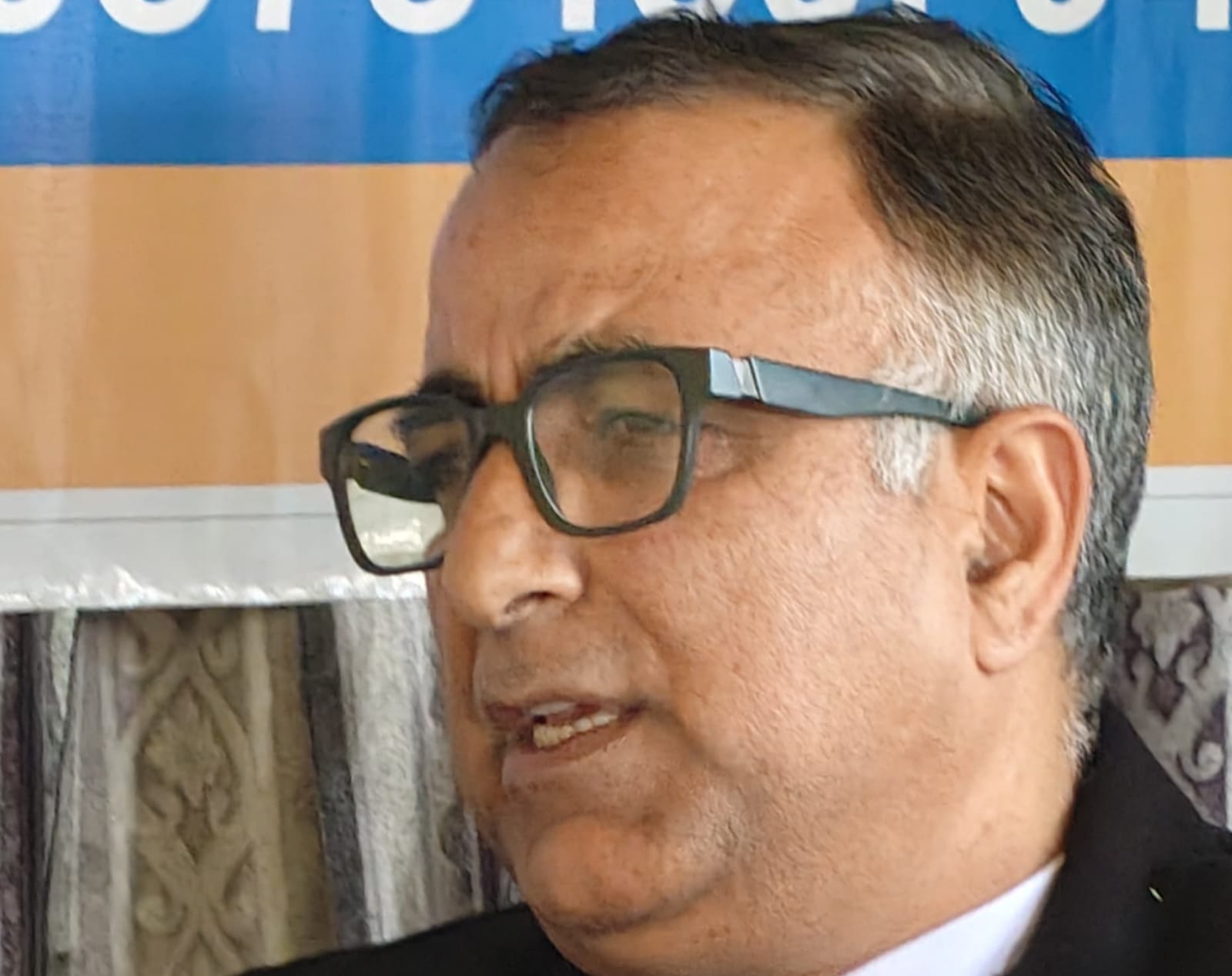
Reacting to the remarks, PSAJK president Dr. Nazrul Islam Baba said the association was disappointed by the tone and substance of the statement, saying it had hurt the sentiments of the private education sector in the Union Territory.
Baba said that while the association acknowledges several constructive decisions taken by the minister in the past, the recent comments were discouraging for institutions and teachers working in the private sector.
He said that private schools should not be viewed as adversaries of the government but as “knowledge partners” that have played a significant role in strengthening the educational ecosystem of Jammu and Kashmir over the years.
He said private institutions have complemented government efforts by educating lakhs of students across the Union Territory and ensuring continuity of education, particularly during challenging periods in the region.
He said that a double bench of the Jammu and Kashmir High Court recently also acknowledged the importance and contribution of the private education sector in the region’s academic framework.
“The remarks questioning the competence of private school teachers are disheartening. The commitment of thousands of teachers working in private institutions is reflected in the consistent performance of students in board examinations and competitive arenas,” he said.
The PSAJK president further said that more than half of the student population in Jammu and Kashmir is currently enrolled in private institutions.
“This reflects the trust and confidence of society in the private education system,” he said.
He added that over the past four decades, including during difficult times in the region, private schools continued to function and ensured that the process of education did not come to a halt.
Baba also expressed concern over the delay in the functioning of the apex committee constituted to address issues faced by private schools.
“The committee was expected to submit its report within a month, but even after more than two months, not a single meeting has been convened,” he said.
He reiterated that private schools were not competing with the government but supporting its responsibility of providing quality education.
“Strengthening educational infrastructure for the growing student population was a shared responsibility,” he said.
He expressed hope that the government would recognise the private sector as an important stakeholder and work in coordination to frame a progressive education policy for Jammu and Kashmir.
“Through cooperation and mutual respect, we can build knowledge hubs and institutions that will shape the future of our youth and make Jammu and Kashmir a centre of academic excellence,” he said.


Comments are closed.