
Violence in a Mosque and the Collapse of Moral Boundaries

Nasir Hussain Peerzada

“A mosque is meant to be a sanctuary for peace, reflection, and unity. Turning it into a site of terror is not only an assault on human life, but a direct affront to the ethical conscience of humanity.” 

 

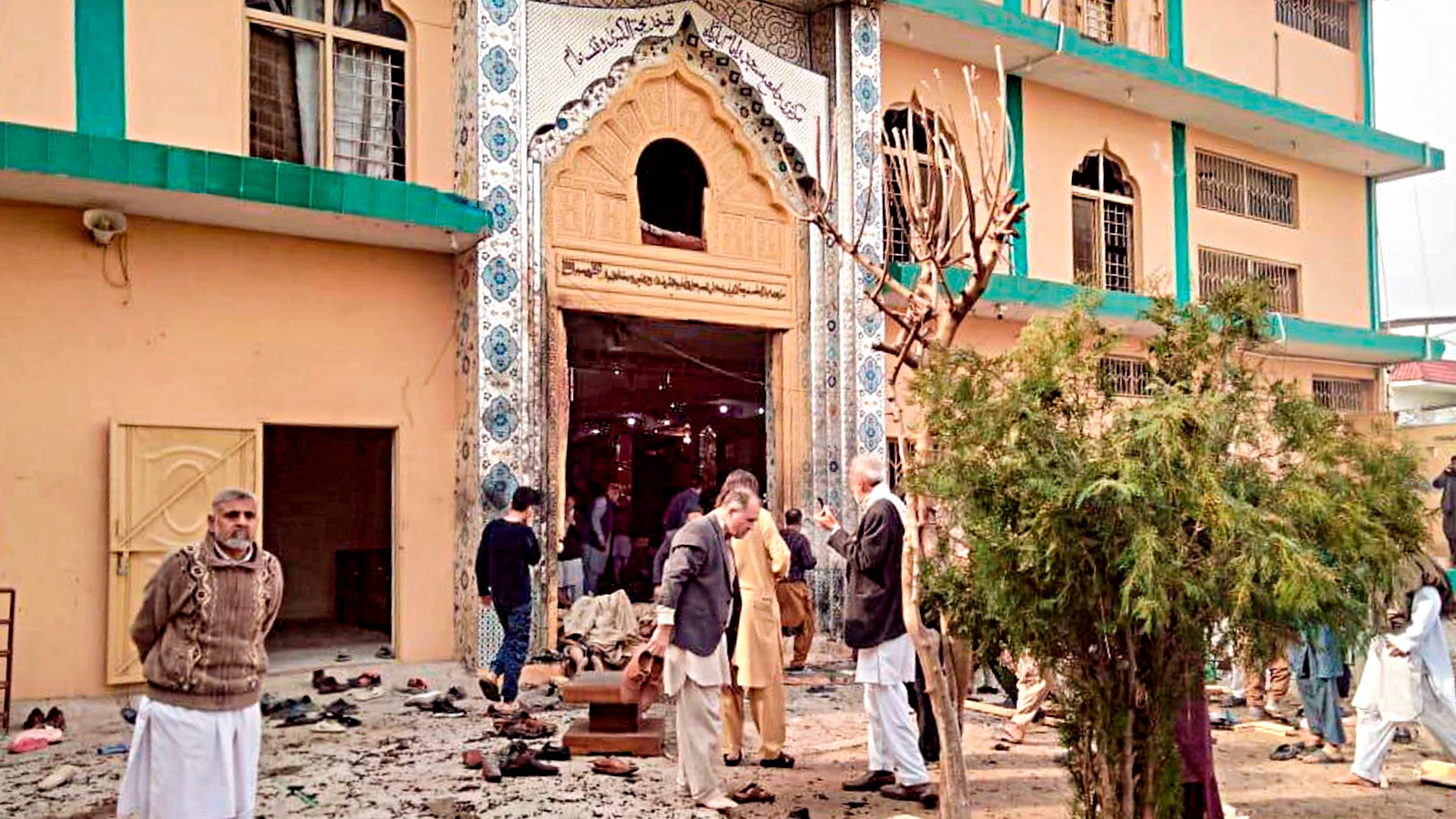
The killing of thirteen innocent people in a bomb explosion inside a mosque in Rawalpindi, Pakistan, is not merely another tragic headline. It is a chilling reminder of how far moral boundaries have eroded when violence enters the most sacred of spaces. That the attack took place during Friday prayers, when worshippers were gathered in devotion, makes the crime even more horrifying. A mosque is meant to be a sanctuary for peace, reflection, and unity. Turning it into a site of terror is not only an assault on human life, but a direct affront to the ethical conscience of humanity.

Such acts are often justified under distorted religious narratives, yet nothing could be further from the truth. These killings are the handiwork of forces determined to inflame sectarian divisions within the Muslim community. They have no sanction in Islam. The Qur’an is unambiguous on the sanctity of life: “Whoever kills a soul unless for a soul or for corruption in the land, it is as if he has killed all of mankind” (Qur’an 5:32). The deliberate targeting of innocent worshippers, therefore, is not an act of faith but a grave sin and a blatant violation of divine law.

Islam strictly forbids aggression, especially within sacred spaces. The Qur’an commands believers to honour what is sacred: “And whoever honours the sacred ordinances of Allah, it is best for him in the sight of his Lord” (Qur’an 22:30). History shows that sectarian violence has repeatedly been used to fracture Muslim societies from within. It weakens communities, erodes trust, and creates fertile ground for instability. The Qur’an warns against such internal discord with striking clarity: “And do not dispute, lest you lose courage and your strength depart (Qur’an 8:46).

The responsibility to respond to such crimes lies first with the state. Governments must act swiftly and decisively to bring perpetrators to justice and ensure that places of worship are protected. Justice is not only a constitutional obligation but also a moral one deeply rooted in Islamic teachings. As the Qur’an reminds us: “Indeed, Allah enjoins justice, excellence, and forbids oppression and wrongdoing (Qur’an 16:90). Failure to uphold justice emboldens those who believe they can spill blood without consequence.

Yet the problem does not end with violent actors alone. Equally troubling is the role of certain irresponsible preachers and opinion-makers whose inflammatory rhetoric legitimises hatred and deepens sectarian fault lines. Words have consequences. The Prophet Muhammad (peace be upon him) warned against such harm in the strongest terms: A Muslim is the one from whose tongue and hands other Muslims are safe (Sahih al-Bukhari; Sahih Muslim). He further cautioned, “Do not return to disbelief after me by striking the necks of one another” (Sahih al-Bukhari). When religious discourse becomes a tool for provocation rather than guidance, it betrays the very faith it claims to defend.

Differences of interpretation have always existed within Islam, as they do in all religious traditions. What Islam does not permit is violence in the name of those differences. The Qur’an calls for unity and collective responsibility: “Hold firmly to the rope of Allah all together and do not become divided” (Qur’an 3:103). Scholars, writers, and religious leaders carry a profound responsibility in this moment. They must rise above sectarian loyalties and provide moral clarity, reminding communities that disagreement does not justify bloodshed.

The killing of innocent people, regardless of sect, does not strengthen any cause. It only weakens the Muslim Ummah and serves the interests of those who benefit from chaos and division. Every such attack deepens wounds, normalises fear, and distances societies from the values of compassion and justice that Islam upholds.

At a time when violence increasingly masquerades as conviction, the need to return to foundational principles is urgent. Unity, justice, and adherence to the Qur’an and Sunnah remain the only path forward. The choice before Muslim societies today is stark: either allow hatred to hollow them from within, or reclaim the moral courage to stand against violence in all its forms.

The Qur’an offers a powerful collective prayer for moments like these: “Our Lord, forgive us and our brothers who preceded us in faith, and do not place in our hearts any hatred toward those who believe. Our Lord, indeed You are Most Kind, Most Merciful” (Qur’an 59:10).

Remembering this prayer is not enough. Living by it is the real test.

Comments are closed.