
Mohammad Muslim
“The heavens may have forgotten to snow this year, but we cannot afford to forget the lesson this drought is teaching us. The mountains are speaking, It is time we started listening”

For a Kashmiri, snow is not just weather. It is part of our identity. It shapes our mountains, feeds our springs, and gives the Valley its soul. For generations, winter snow has been something we feared and respected at the same time. When Chilla-i-Kalan arrived, the coldest forty days from late December to January, families prepared in advance. Dried vegetables were stored, kangris were filled, and we waited for the world outside to turn white.
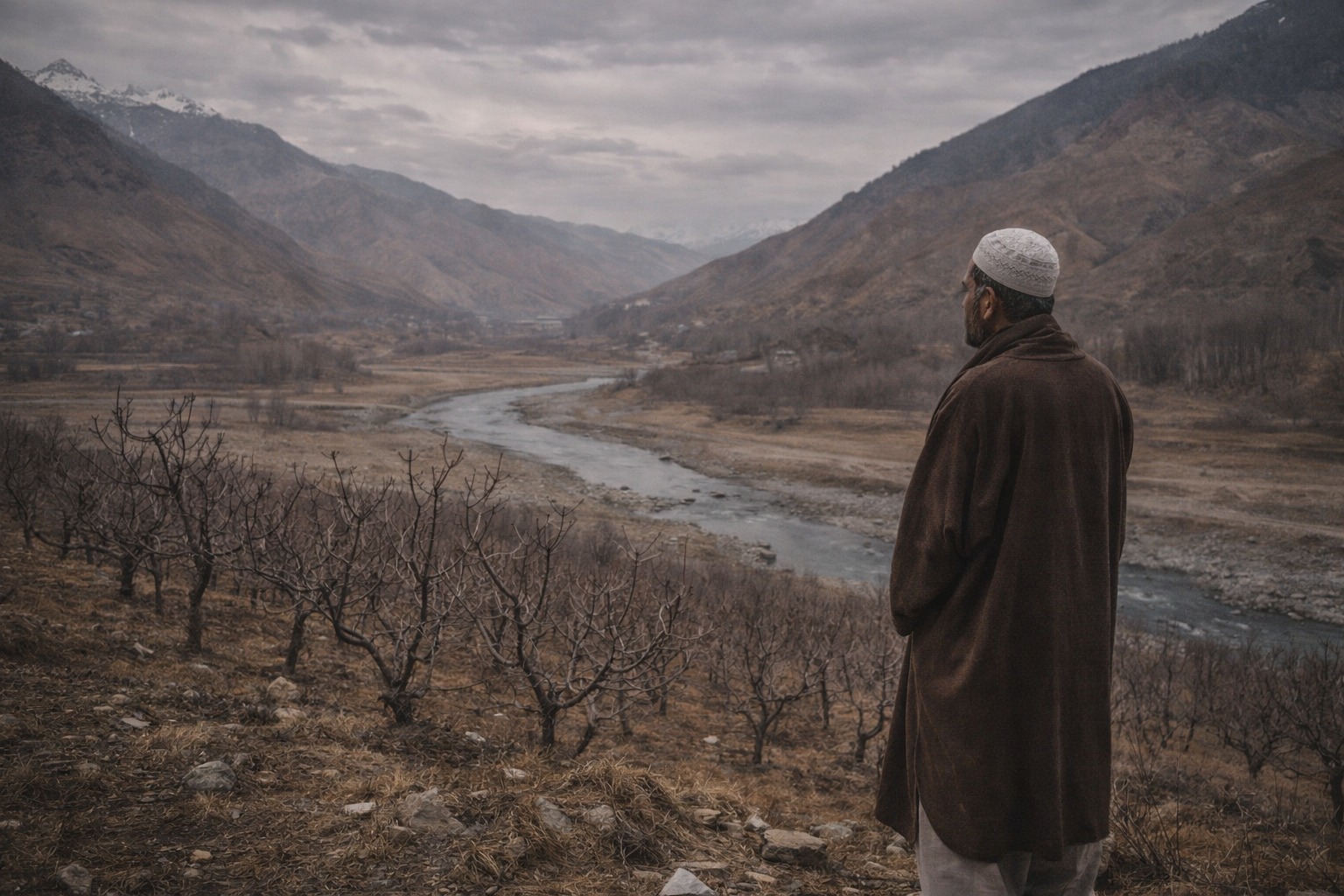
January 2026, however, feels strange and unfamiliar. There is a deep silence across the Valley, but it is not the calm silence of falling snow. It is the quiet of empty skies. From the peaks of Gulmarg to the banks of the Jhelum, the land looks dry, brown, and tired. The snow has not come, and its absence has made one thing painfully clear: climate change is no longer a distant problem. It has arrived at our doorstep.
Kashmir’s winters are usually shaped by Western Disturbances, weather systems that travel thousands of kilometres from the Mediterranean region, carrying moisture that falls as rain and snow when it meets the Himalayas. In most years, these systems bring the majority of our winter precipitation. This season, however, their path has changed. Scientists explain that the subtropical jet stream, which guides these systems toward Kashmir, has shifted northward. As a result, the clouds either miss the Valley entirely or lose their strength before reaching our mountains.
At the same time, the Himalayas are warming faster than many other parts of the world. This makes the region very sensitive to climate change. Because of rising temperatures, the weather patterns are changing. Even when moist winds reach the mountains, the air is often too warm for heavy snowfall. Instead of thick snow, we now get light sleet or warm rain. This rain evaporates quickly or flows away without soaking into the ground. As a result, it does not help much in filling rivers, lakes, or underground water sources. Over time, this change affects plants, animals, and people who depend on Himalayan snow and glaciers for water.
While images of brown ski slopes in Gulmarg may disappoint tourists, the real suffering is being felt by people whose lives depend on the soil and the seasons. Apple growers in Sopore and Shopian depend on long periods of cold weather for their trees to rest and prepare for fruiting. Without snow to insulate roots and provide slow-melting water, the trees remain stressed. A sudden late frost, which has become more common, can destroy an entire crop overnight. For farmers, this is not just a bad season. It can mean children dropping out of school, weddings being postponed, and debts growing heavier.
The Jhelum River tells an equally worrying story. Its water level is among the lowest ever recorded for January. Snow in the mountains acts like a natural water reserve, slowly releasing meltwater in spring and summer. Without this reserve, the coming months could bring serious shortages of drinking water and irrigation, turning today’s dry winter into tomorrow’s humanitarian crisis.
The loss of snow is also quietly changing Kashmir’s culture and daily life. The traditional pheran feels too heavy in a winter that feels more like early spring. Hamams, once warm gathering places for prayer and conversation, remain underused. Even emotionally, many Kashmiris feel unsettled. In our folklore, snow cleanses the land, kills pests, and prepares the earth for rebirth. A brown winter feels unnatural, creating a deep sense of loss and sadness for the place we call home.
Tourism is affected too, as many tourists visit Kashmir to see snow and enjoy winter sports. Wildlife and forests also suffer because snow protects plants and animals during winter. The lack of snowfall shows that nature is changing and needs attention. If this problem continues, it can harm Kashmir’s environment and people’s lives
Although global forces like climate change and shifting wind patterns play a major role, we must also look inward. Rapid and unplanned urban growth has created heat islands in cities like Srinagar. Wetlands that once cooled the air and stored water have been replaced by concrete. Forests in higher reaches are being cleared for roads and resorts, weakening the land’s natural ability to hold moisture and regulate temperature. Each tree cut and each marsh filled pushes the snow a little farther away.
The winter of 2026 should be treated as a warning. Waiting and hoping for better snowfall next year is no longer enough. Farmers need support to shift to crops that require less water and fewer chilling hours. Wetlands must be restored, forests protected, and traditional water systems revived. These are not optional steps; they are necessary for survival.
Kashmir without snow is not just a different version of the Valley. It is a break from our history, our ecology, and our way of life. The mountains are speaking through their silence. If we do not listen now, the cost of ignoring them will be far greater than a snowless winter. Therefore, it is important for everyone to care for the environment and take steps to reduce pollution and protect nature.
Writer can be reached at mdmuslimbhat@gmail.com
Comments are closed.