

Dr Musawir Mohsin Parsa (PT)
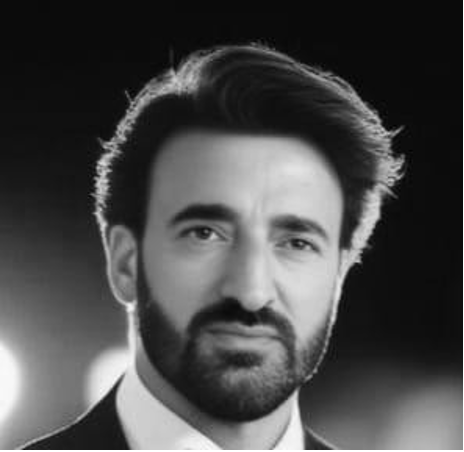
In the picturesque district of Bandipora, Kashmir, the Parsa family has long been associated with scholarship, spirituality, and service to the community. Among its distinguished members stands Parsa Rouf Ghayal, a man affectionately known as Harfan-Maula, the “jack of all trades.” His remarkable versatility spans multiple talents, acting, designing, portrait making, writing, and above all, a deep connection to traditional spiritual wisdom.
Born on 15 June 1977 in Papachan, Bandipora, near the shrine of the great saint Hazrat Sheikh Mohammad Parsa (RA) to whose lineage he belongs. From childhood, poetry flowed naturally from him. According to my father, from a very young age Parsa Rouf Ghayal would hum poetic lines long before he ever began writing them down. Over time, disciplined effort transformed early inspiration into published literature.
Parsa Rouf Ghayal descends from a revered spiritual lineage. His grandfather and my great grand father, Peer Kaamil Hakeem Ghulam Mohammad Parsa, lovingly remembered as Mama Sahib or Khand Baba, was a celebrated spiritual saint and traditional healer of his time. Growing up under his guidance, Rouf Ghayal imbibed both compassion and humility values that continue to shape his life and work.
When I hear the word superhero, I don’t picture comic book characters—I remember my great- grandfather, Hakeem Peerzada Ghulam Mohammad Parsa Sahab. A saint, a healer, a legendary figure who dedicated his entire life to serving humanity selflessly. He was more than a Hakeem—he was a spiritual light for many. I was just two years old when he passed away, yet his voice still echoes in my ears. He used to lovingly call me Doctor sahab even back then. As he aged and his eyesight faded, he would say, “Mera Doctor aagya. Kaash meri aankhon ki roshni hoti, main tumhe dekh pata ache se.” Even in his last days, his love and foresight were profound.
Parsa Rouf Ghayal’s father and my grandfather, Peerzada Nizam-ud-Din Parsa Sahab, is nothing short of a living institution. He served in the J&K Forest Department as a forester for 42 years, and what defined his service wasn’t just the duration, it was his unshakeable honesty and humility. Time and again, people have misunderstood him, created obstacles, and still do— but he remains unbending. In a world where even prophets were tested, his resilience stands as a personal lesson: truth needs no validation. He has always shown me that dignity lies in consistency, not in approval. My grandfather is the quiet mountain I look up to—one that has weathered storms and still stands tall, proud, and rooted in values.
Rouf Ghayal is a respected name in Kashmiri literary circles. Though he initially wrote in Urdu, he consciously chose to express himself in his mother tongue—Kashmiri—to preserve and enrich the cultural identity of the language.
در ¸شب فراق حاصل ہمیں ہوا کیا کیا
دیکھ چش ¸م تَر میں ہم نے چُھپا لیا کیا کیا
کیا کرے رؤف گھائل نا کا ¸م عشق ہے
اشکوں کے بہاؤ میں اُس نے کھودیا کیا کیا
¸دلرُبا ¸دل کو ہے آزا ¸ر اُلفت ہوں میں جُدائی میں بیما ¸ر اُلفت
مبتلائے غم ، گھائل در تنہائی
بس اُسے درکار ¸اک دیدا ¸ر اُلفت
His published works include several Kashmiri books such as:
· “Shahkar Ti Miraj Go” (Miraj Nama)
-
“Hubab” – a collection of Kashmiri poetry
· “Tohfa-e-Miraj”
-
“Wasal-Ch Aash” – a poetry collection
-
“Tuth mudur” – a kashmiri drama collection
-
“Posh Therr” – anthology of kashmiri poetry
Several other manuscripts remain in progress. Some of his unpublished books and work were also lost in a tragic fire incident, where the flames consumed a part of his precious work. Yet, even after such loss, his passion for writing remained unshaken, and he continued to create with the same devotion and intensity. His contribution also extends to translation and direction, including work on Kashmiri films and dramas, most notably the Hindi film “Kashmiri Sholay.”
آو باغس بیۡی¸ہ شباباہ چان¸ہ ¸سیتؠ
زندگی منْز انقلاباہ چان¸ہ ¸سیتؠ پرْتھ ¸ٲکس حرفس ¸دتُم انہار چُون
شعر تُھرؠ تُھرؠ ¸گی¸ہ کتاباہ چان¸ہ ¸سیتؠ
ییْ ¸لہ خۄداین وُچھ ¸بہ چُھس چوُن اَکھ غلام
گۄنہ¸نے لیۆکھنمَ ثواباہ چان¸ہ ¸سیتؠ
Parsa Rouf Ghayal writes across literary forms, including Naat, Rubai, Nazm, free verse, and Ghazal—though the Ghazal remains his strongest medium. His poetry embraces themes of love, longing, separation, spiritual yearning, revolution, and emotional restlessness. His verses speak gently yet powerfully to the human heart.
زندگی میٲنؠ میْا¸نہ موتُک چَھے کران سامان اَز
دۄہ بنیؤمُت رات چَھم ہارَس مْے گَو میزان اَز
ساقی ی’س اوس چاو کوتاہ باو مس کیْن کھا ¸سہ ¸نے
‘نے سُہ ساقی نےَ سُہ محفل نَے چُھ کُن¸ہ پیمان اَز
اے گھائل
مختصر
چھَے
زندگی
نارہ
گا ¸سہ
کیہنْہ ¸ژ ‘کرحٲصل ‘گ ‘ژھکھ کوۡت بے سرو سامان ا’ز
Parsa Rouf Ghayal has also carved a respected place for himself in the world of Kashmiri performing arts, where his talents extend beyond the written word into acting, direction, and script writing. Deeply rooted in the cultural ethos of the Valley, he has contributed to numerous Kashmiri dramas and stage productions, bringing authentic regional narratives to life through compelling performances and engaging storytelling. His directorial vision and scripting skills reflect a keen understanding of Kashmiri life, emotion, and tradition, making him a versatile creative force whose work continues to enrich the local theatre and film landscape.
Some of his songs were once broadcast on Radio Kashmir during the tenure of the late Abdul Ahad Farhad, earning him wide appreciation among literary and cultural audiences. Sadly, his works are not sung today—a silence whose reasons, he believes, lie with those currently in positions of authority.
Parsa Rouf Ghayal Sahab also practices traditional spiritual healing and herbal therapy, including the age-old technique. Through these methods, he is known to help people suffering from conditions such as psoriasis, ringworm, cysts, jaundice, and other ailments—combining spiritual insight with inherited medicinal knowledge.
In a time when many languages and traditions struggle for survival, the work of writers like Parsa Rouf Ghayal becomes invaluable. His poetry preserves emotion, culture, and faith; his healing tradition connects the present with the past; and his humility keeps him rooted in the community from which he draws inspiration.
کَر کیاہ بٕہ ناز تَس پیْٹھ چُس وُن¸ہ شباب اَڈلیْوک ٲنجؠ ہا ¸ر وُچھ مْے تَس کُن تٔمؠ تُل نقاب اَڈلیْوک
وصلُک سوال ؤتھؠ ¸تھے نظرو تاب اۆنما
مییُونُے سوال اَڈلیْوک ¸تمسُند جواب اَڈلیْوک
جلاد وۆنؠ صبر کر کیہنْژاہ ¸دم مْے مہلت
رودُم مْے زندگی ہُند وُن¸ہ کیہنْہ حساب اَڈلیْوک
وۆنؠ لُکھ ونان مْے گھائل شاید ت¸م ¸چھ سوچان
وٲران منْزؠ چُھ کُستام خانہ خاب اَڈلیْوک
Among the most influential figures in my journey is my uncle, Parsa Rouf Ghayal Sahab— a celebrated Kashmiri poet, with over six published books to his name. But to me, he is more than a literary figure. He is a visionary, a cultural mentor, and a man who reminds me how art, intellect, and identity are interwoven. His guidance continues to inspire my expression, resilience, and creativity.
His story is not just the biography of a poet. It is the portrait of a heritage keeper, a compassionate soul, and a creative mind who continues to enrich Kashmiri literature and culture quietly, consistently, and with grace.
Author is a Physical Therapist and Educator parsamusawir@gmail.com
Comments are closed.