Srinagar, Dec 25 : In the union territory of Jammu and Kashmir, the Kashmiri language (Koshur) is in a state of gradual decline. Rich with poetry, storytelling, and centuries of wisdom, this native tongue now faces the threat of extinction.
This erosion results from several factors, younger generations are failing to learn it, official policy provides inadequate support, and Urdu and English dominate educational and administrative spheres. As socio-economic landscapes shift, the use of this indigenous language has diminished.
The challenge is not solely external. Internally, many Kashmiris particularly the youth are distancing themselves from their linguistic heritage. Spoken less frequently at home and afforded minimal space in school curricula, Kashmiri is increasingly preserved only in the memories of the elderly.
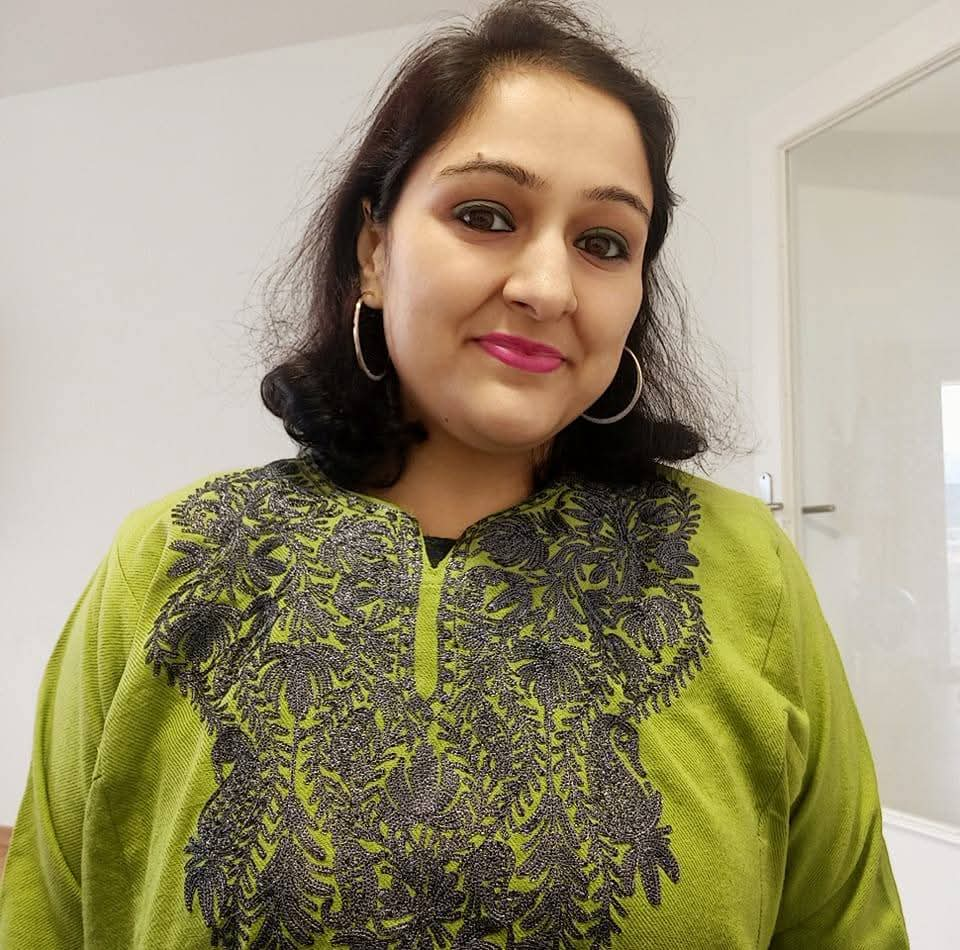
Yet, there is a growing counter-movement. Sonika Raina, a Kashmiri Pandit and digital creator, has emerged as a vocal advocate for linguistic preservation. Harnessing the power of social media, she produces engaging online content designed to reconnect people with Koshur, offering hope that the language can be revitalized for future generations.
In an exclusive interview with Kashmir Convener, Raina detailed her mission to rekindle connection to Kashmiri.
When asked about the most powerful way to instill pride in Kashmiri among the young, rather than having them view it as outdated, she responded:
“Real change will begin the day we stop associating language with social strata. It will happen when true influencers take pride in speaking Kashmiri, when we cease mocking accents and embrace the natural variations in speech across different parts of Kashmir. It means accepting the language as it is—without judgment.”
On whether documenting the language or shifting attitudes presents the greater challenge, Raina said:
“Preservation is the larger hurdle. Kashmiri is predominantly a spoken language. Some write it in Urdu script, others in Devanagari, but its original script has been lost. A language without its own script becomes far harder to preserve formally and lastingly.”
Reflecting on what inspired her digital advocacy, she shared:
“It began after I moved to Germany in 2020. I was struck by how people insisted on speaking German, encouraging me to learn it, despite knowing English. That experience made me realize how deeply one can cherish and protect a mother tongue. Away from home, social media became my bridge to connect with my community—and the idea took shape from there.”
Regarding heartening feedback from the youth, Raina recalled:
“There have been many such moments. Recently, a young Kashmiri Pandit college student in Jammu told me she follows my work and tries to speak Kashmiri because of it. In Berlin, a woman in her late twenties asked for online Kashmiri lessons, wanting to achieve fluency. It’s inspiring to see young people, especially outside Kashmir, strongly linking the language to their identity and finding it ‘cool’ to speak Kashmiri fluently.”
On whether she anticipated her videos becoming a vehicle for cultural safeguarding, she noted:
“Not at all. This began purely out of love for my mother tongue. I started with lighthearted content, and the overwhelming response—across generations—was unexpected. Even after my page was hacked and later restored, the support not only remained but grew. That commitment inspires me to continue.”
For families seeking to keep Kashmiri alive at home, Raina advised simply:
“Speak Kashmiri. There is no magic formula—conversation and listening are essential. Engaging with Kashmiri art, music, films, and literature also plays a vital role in sustaining the language.”
Her message to young creators hoping to promote their own mother tongues:
“Love what you do. Creating content in a specific language may limit audience size, but it never limits impact. Social media offers immense reach, and content creators can indeed be changemakers.”
Notably,as linguistic heritage falters under modern pressures, voices like Raina’s are lighting a digital path toward revival.


Comments are closed.