

Dr. Reyaz Ahmad
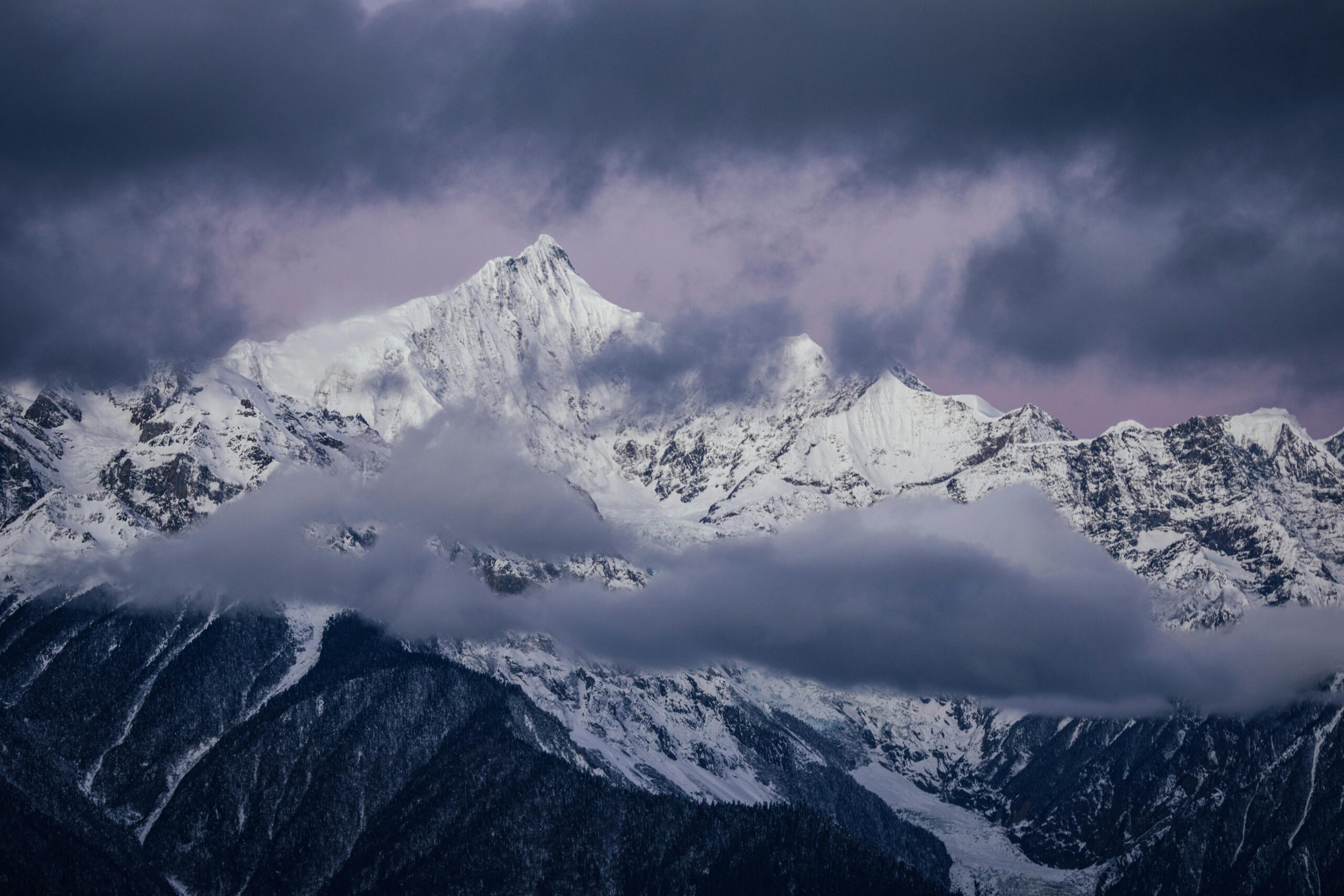
Glaciers are among the most critical yet fragile components of the Earth’s climate system. They act as vast natural reservoirs, storing freshwater and releasing it gradually to sustain rivers, ecosystems, agriculture, and human settlements. From the Himalayas and the Andes to the Alps and the Arctic, glaciers regulate regional climates and help stabilize global temperatures. Today, however, these ancient ice bodies are retreating at an alarming pace. Climate change has accelerated glacial melt to such an extent that the survival of many glaciers now hangs in the balance. Recognising the gravity of this crisis, the United Nations has declared 2025 the International Year of Glaciers’ Preservation, aiming to elevate global awareness and galvanise policy action before irreversible losses occur.
Scientific evidence leaves little room for complacency. Glaciers across the world are shrinking faster than at any point in recorded history. The State of the Cryosphere 2024 Report warns that if current trends continue, glacial ice loss will trigger severe environmental, social, and economic consequences on a global scale. Switzerland provides one of the starkest examples of this crisis. Between 2022 and 2023 alone, Swiss glaciers lost nearly 10 percent of their total volume. According to the World Meteorological Organization, an additional 6 percent loss occurred between 2021 and 2022, underscoring the speed and severity of the decline. These figures are not anomalies but indicators of a broader global pattern driven by rising temperatures and changing precipitation cycles.
The retreat of glaciers has direct and far-reaching implications for water resources. For millions of people living in mountain regions and downstream areas, glacial meltwater is a lifeline. Rivers originating from glaciers supply drinking water, support irrigation, and generate hydropower. In regions such as the Himalayas, the Andes, and parts of Central Asia, seasonal meltwater sustains agriculture during dry months. As glaciers shrink, this natural regulation of water flow becomes increasingly unstable. Initially, accelerated melting may cause floods and glacial lake outburst events. Over time, however, reduced ice mass leads to declining water availability, increasing the risk of droughts, crop failures, and energy shortages.
Communities living closest to glaciers are already experiencing these disruptions. The NATURICE Project, which examines the societal impacts of glacial retreat, highlights how communities in Ladakh, India, are adapting to dwindling water supplies. Faced with shrinking glaciers and erratic melt patterns, local populations have revived and innovated traditional practices by constructing ice stupas. These cone-shaped, man-made ice structures store water during winter and release it slowly in summer, providing a crucial source of irrigation during the agricultural season. While these efforts demonstrate remarkable resilience and ingenuity, they also expose the vulnerability of mountain communities that are being forced to adapt to changes beyond their control.
Water scarcity is emerging as one of the most immediate and destabilising consequences of glacier loss. Across the world, millions depend on predictable glacial melt for daily life. As glaciers retreat, the timing and volume of water flow become erratic. Floods, prolonged dry spells, and unpredictable seasonal cycles now threaten communities that once relied on steady glacial-fed rivers. In many regions, this instability exacerbates existing inequalities, disproportionately affecting rural populations, small farmers, and indigenous communities with limited access to alternative water sources.
In response to this growing crisis, the global community has begun to take coordinated steps. The declaration of the International Year of Glaciers’ Preservation in 2025, along with the establishment of a World Day for Glaciers, marks a significant effort to recognise glaciers as part of humanity’s shared natural heritage. International research collaborations under organisations such as the World Glacier Monitoring Service have strengthened data collection, enabling scientists to better understand glacial dynamics and forecast future risks. Cross-border initiatives in regions like the Alps, the Andes, and the Himalayas have also improved cooperation on water-sharing arrangements and disaster preparedness.
Technological and policy interventions are increasingly being tested to slow glacial loss and reduce its impacts. In parts of the Himalayas, artificial glacier construction and reflective coverings have been piloted to delay melting. While these methods cannot replace natural glaciers, they offer temporary relief for vulnerable communities. Global climate frameworks such as the Paris Agreement, although not glacier-specific, play a crucial role by addressing the root cause of accelerated melting: greenhouse gas emissions. While these initiatives have not halted glacier retreat, they have enhanced resilience, improved monitoring, and provided valuable adaptation tools in several regions.
Encouraging examples of progress demonstrate what is possible when science, policy, and community action align. In Switzerland, glacier monitoring programmes led by ETH Zurich and the Swiss Federal Institute for Forest, Snow and Landscape Research have generated precise data that inform national climate strategies and water management policies. In Peru, the Glaciares+ Project has helped communities adapt by establishing early-warning systems for glacial lake outburst floods and developing innovative irrigation techniques for farmers. In Ladakh, more than 50 functional ice stupas have been built since 2014, supplying critical water to thousands of villagers during the dry summer months. These initiatives show that locally grounded solutions, supported by global research and institutional backing, can mitigate some of the most severe impacts of glacier retreat.
Yet, adaptation alone is not enough. As 2025 approaches, the need for decisive global action becomes ever more urgent. Glacier preservation must move from symbolic commitment to sustained implementation. Reducing greenhouse gas emissions remains the most effective long-term strategy for slowing glacial melt. At the same time, increased investment in scientific monitoring is essential to track changes accurately and guide policy responses. Communities in high-risk mountain regions require targeted support, including infrastructure development, water management systems, and disaster preparedness mechanisms.
The loss of glaciers is no longer a distant environmental concern. It is a direct threat to freshwater security, food systems, ecosystems, and coastal stability due to rising sea levels. Glaciers connect the fate of mountain villages with that of coastal cities and island nations. Their disappearance would reshape landscapes, economies, and lives across the globe.
Preserving the world’s glaciers is, therefore, a matter of collective survival. It demands coordinated action from governments, scientists, institutions, and communities alike. The choices made today will determine whether future generations inherit a world where glaciers continue to sustain life or one where their absence deepens global vulnerability. Only through immediate, collaborative, and sustained efforts can humanity safeguard these frozen sentinels and secure a more stable and equitable future for all.
Author can be mailed at reyaz.ahmad@hu.ac.ae
Comments are closed.