
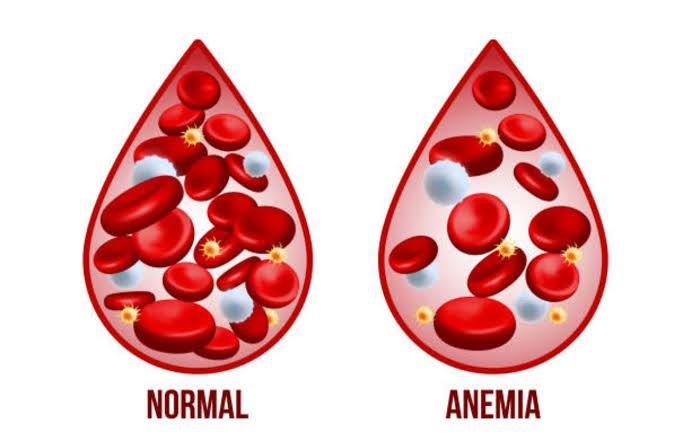
Over 72% of Under-Five Children in J&K Are Anaemic
Survey exposes severe malnutrition burden, with high rates of stunting and wasting

Suhail Khan
SRINAGAR, Dec 09 : More than 72% of children under the age of five in Jammu and Kashmir are anaemic, according to the latest National Family Health Survey (NFHS-5), highlighting a severe public health crisis in the Union Territory.
The data, as per Kashmir Convener collected between 2019 and 2021, shows that 72.7% of children in this age group are affected by anaemia. The survey also points to alarmingly high rates of other nutrition-related disorders: 26.9% of children under five are stunted, 19% are wasted, and 9.6% are overweight.
This dual burden of undernutrition and rising obesity indicators presents a complex and challenging health scenario for the region’s youngest population.
At the national level, the survey as per Kashmir Convener underscores widespread child malnutrition and anaemia. Among all states and Union Territories, Ladakh recorded the highest prevalence of anaemia in children under five, at 93.9%, followed by Gujarat (79.7%), Jammu and Kashmir (72.7%), and Bihar (69.4%).
The NFHS-5 data emphasises the urgent need for sustained and targeted interventions to address nutritional deficiencies affecting children both in Jammu and Kashmir and across India. This urgency is further highlighted by earlier studies indicating that anaemia has risen from the 13th to the 5th leading cause of death and disability in the region since 1990.
In response to the findings, the Ministry of Health and Family Welfare as per this newspaper stated that it is implementing community-level awareness campaigns and nutritional programmes aimed at reducing stunting, wasting, obesity, and anaemia, while also seeking to improve overall health and immunity among children nationwide.
Medical professionals in Kashmir have expressed deep concern over the figures. Dr. Waseem, a senior physician at a medical college in North Kashmir, speaking with Kashmir Convener stated that anaemia is often underestimated despite its severe impact.
“Anaemia is seldom perceived as a debilitating condition, yet extensive research demonstrates its profound effects on both cognitive and physical development,” Dr. Waseem said. “The intervention is often straightforward, and implementing it can lead to remarkable improvements in daily living, academic performance, and overall quality of life.”
Dr. Rifat Ara, another physician, explained that anaemia has multiple causes, ranging from deficiencies in iron, vitamin B12, and folic acid to underlying conditions such as heavy menstrual bleeding and closely spaced pregnancies.
“Anaemia is a serious condition that requires timely and appropriate medical intervention,” Dr. Ara stressed. She advised women to seek professional healthcare and consult experts on family planning to prevent unintended pregnancies and avoid the risks associated with unsafe procedures.
Speaking on maternal health, Dr. Ara, who is also a senior gynaecologist, emphasised the importance of holistic care during pregnancy.
“Pregnancy involves significant physical and hormonal changes, so a woman needs the sustained support of her partner and family to safeguard her own health and that of her child,” she said. “Her psychological well-being is just as critical as her physical health. It is essential to maintain scheduled prenatal visits, adhere to a nutritious diet, receive recommended immunisations, and take supplements such as iron, calcium, and folic acid as prescribed by her doctor.”
The NFHS-5 findings serve as a stark reminder of the persistent nutritional challenges facing India’s children and call for intensified, coordinated efforts to ensure their healthy development.
Comments are closed.