

SUHAIL KHAN
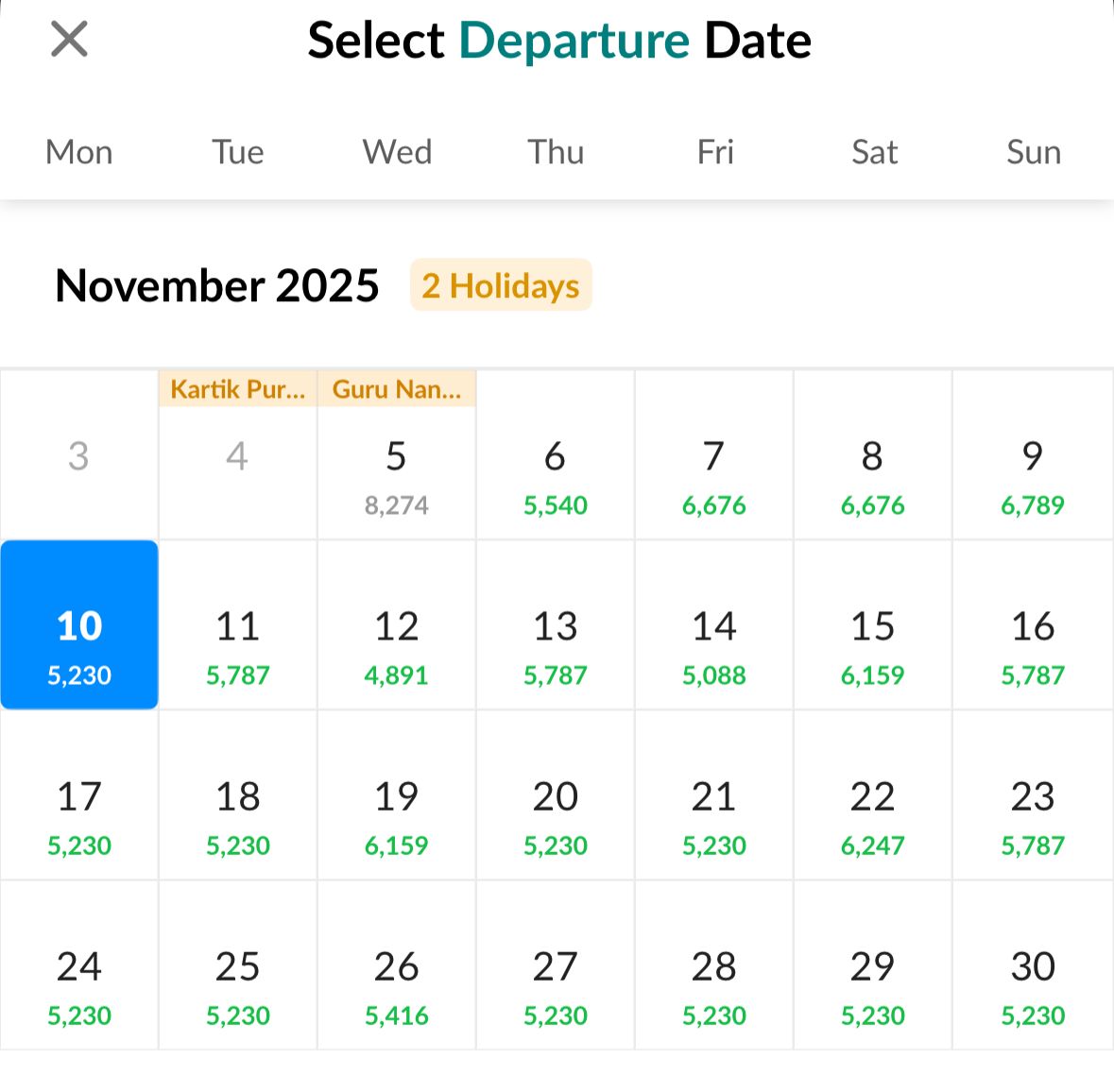
SRINAGAR, NOV 06: A significant and sustained drop in airfares to Kashmir is sparking a complex debate over whether it represents a strategic government intervention to revive the beleaguered tourism sector or a commercial gambit by airlines to fill empty seats amid security concerns and reduced capacity.
The data is striking. A one-way ticket from Delhi to Srinagar, which previously commanded prices upwards of ₹5,000, is now readily available for approximately ₹2,500. Similarly, routes from major hubs like Mumbai and Bangalore, where fares often exceeded ₹10,000, have been halved, with tickets now priced around ₹5,000.
This follows a challenging period for Kashmir’s tourism-driven economy. The sector was dealt a severe blow after the Pahalgam terror attack earlier this year, which triggered a wave of cancellations and a sharp decline in passenger traffic.
“The Pahalgam incident created immediate and palpable fear, causing a direct hit to traveler confidence,” explained Mr. Rajesh Verma, a Delhi-based travel industry analyst, in a conversation with Kashmir Convener. “For weeks, planes were flying into Srinagar with more crew than passengers. The optics were devastating, and the economic impact on local hotels, shikara owners, and artisans was severe.”
Compounding the issue was the post-operation ‘Sindoor’, which led to a reduction in available civilian flights. This dual pressure of low demand and constrained supply created a precarious situation for the Kashmir’s vital tourism economy.
The central question now is what is driving the current fare war. Industry insiders are divided on the primary catalyst.
One school of thought suggests a proactive push from the administration. “This has the fingerprints of a coordinated effort to stimulate demand,” said a senior official from the Jammu & Kashmir Tourism Department, who spoke to Kashmir Convener on condition of anonymity. “When perception is the problem, you need a bold signal to the market. These low fares are that signal—a clear message that the Valley is not only accessible but also affordable and eager to welcome visitors back.”
Conversely, airline executives point to basic market economics. With seats going empty and fixed operational costs remaining constant, slashing prices becomes a necessary commercial tactic. An airline spokesperson, who was not authorized to speak publicly, stated to Kashmir Convener, “Aircraft make money only when they are full. The combination of weak demand post-Pahalgam and the temporary reduction in flight slots during ‘Sindoor’ created a significant inventory surplus. Our pricing is a direct response to market conditions. It’s about incentivizing travel and rebuilding a crucial route from the ground up.”
For local businesses, the reason matters less than the result. “We don’t care if it’s the government or the airlines,” said Imran Ahmed, a houseboat owner to this newspaper. “We care that the phones are starting to ring again. A full plane today means full hotels tomorrow, and full hotels mean our families can eat. This price drop is the first bit of hope we’ve had in months.”
In a positive development, film productions have resumed in the valley six months after the deadly Pahalgam attack. Furthermore, recent snowfall has sparked optimism for a revival in winter tourism. Stakeholders have welcomed the early snow, anticipating it will mark the beginning of a busy season. Gulmarg, known for its world-class skiing slopes, attracts thousands of domestic and international tourists annually.
“This snowfall is a great start. We expect more visitors in the coming weeks as winter sports activities pick up,” a local hotelier told Kashmir Convener.
Earlier this month, Bollywood actor Suniel Shetty expressed confidence that Kashmir would soon reclaim its position as one of India’s top tourist and film destinations. He urged people to move beyond fear and help revive the valley’s tourism following the recent Pahalgam attack.
The actor was in Kashmir to support the second edition of the Kashmir Marathon.
Comments are closed.